I didn’t sleep that night.
I sat in the kitchen with the check on the table in front of me, a mug of cold chamomile tea at my elbow, and Pip curled in my lap like she’d always belonged there.
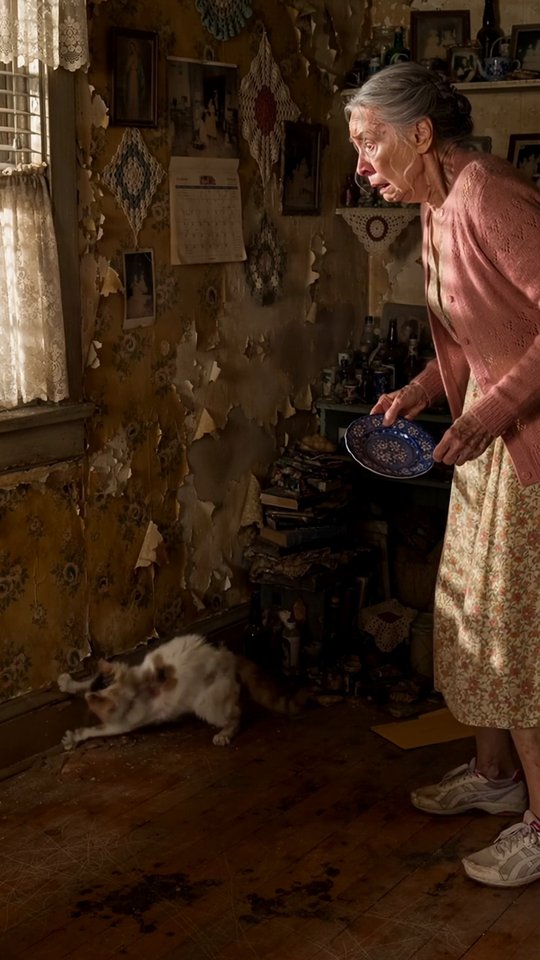
Gerald’s handwriting on the envelope was unmistakable. The looping G, the sharp slant of the B. I’d seen it on grocery lists and birthday cards for forty-one years.
He died of a stroke in this house nine years ago. Found him in the hallway at dawn, one hand still reaching for the bathroom doorknob.
He never mentioned an annuity. Never said a word about hiding money.
I thought I knew every corner of this cottage. Every loose floorboard, every creaking hinge, every water stain on the ceiling.
Turns out I didn’t know anything.
Monday morning I called the bank listed on the check. A woman with a clipped Northern accent put me on hold for eleven minutes.
When she came back, her voice had softened. “Mrs. Benton, this annuity was purchased in 2004. The check was issued fifteen months before your husband’s death. It’s still valid, but we’ll need to verify your identity and run it through estate protocols.”
“How long will that take?”
“Three business days.”
I hung up and stared at Pip. She was sitting on the windowsill, her scarred face turned toward the morning light like she could see it.
“You knew,” I whispered. “Somehow you knew.”
She flicked her tail once and said nothing.
Tuesday I got a call from Brenda Moss, the woman who runs the county animal rescue coalition. She’d heard about my license trouble through Leonard Trask.
“Rosalie, if you need help rehoming your fosters, I can take three of them this week.”
“I’m keeping them,” I said. “All of them.”
“But Leonard said—”
“Leonard was misinformed. The repairs are being handled.”
Silence on the line. Then: “Where did you get that kind of money?”
I almost told her. Almost said, My dead husband hid it in the wall and a blind cat found it.
Instead I said, “I’ve been saving.”
She didn’t believe me. I could hear it in the pause. But she let it go.
Wednesday the check cleared. I transferred the full amount into my checking account and immediately wrote a check to Dunham & Sons Construction for $31,200.
They started work Thursday morning. Two men in Carhartt jackets tore out the rotted subflooring in the back bedroom and replaced it with new tongue-and-groove pine that smelled like fresh sawdust and possibility.
Pip watched from the hallway, her ears swiveling toward every hammer strike, every drill whine.
One of the workers—a younger guy with a red beard—knelt down and held out his hand. “Hey there, kitty.”
Pip walked right past him and sat at my feet.
“She’s blind,” I said.
He looked startled. “Doesn’t act like it.”
“No,” I said quietly. “She doesn’t.”
By Friday the back bedroom was finished. They moved on to the bathroom, replacing warped drywall and resealing the shower pan.
Leonard Trask showed up unannounced Saturday afternoon. He stood in the doorway of the bathroom, arms crossed, watching the workers spread tile adhesive.
“This is good work,” he said finally.
“It should be. I’m paying them enough.”
He turned to look at me. “Rosalie, where did the money come from?”
I met his eyes. “Does it matter?”
“It matters if you’re taking out predatory loans or—”
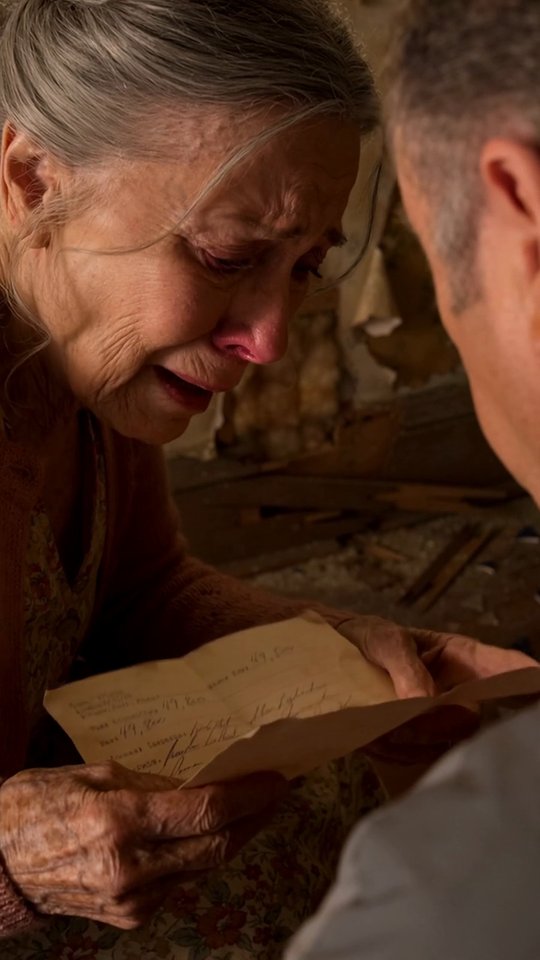
“I’m not. The money was mine. I just didn’t know I had it.”
He frowned, but didn’t press. “Your license renewal will go through once I file my inspection report. You’ll be clear to keep fostering.”
“Good.”
He hesitated at the door. “That blind cat of yours. Pip. She’s special, isn’t she?”
I looked at her sitting on the kitchen counter, her scarred face pointed toward the window like she was listening to something I couldn’t hear.
“Yes,” I said. “She is.”
Sunday morning I got the call about Clover. A blind tabby, twelve years old, found wandering a grocery store parking lot in Jacksonville.
Nobody wanted him. Too old, too damaged, too much work.
“I’ll take him,” I told the shelter coordinator.
“Rosalie, you just went through all that trouble with the county. Are you sure?”
“I’m sure.”
I picked him up Monday afternoon. He was a massive orange tabby with milky blue eyes and a torn left ear. He hissed when they put him in the carrier.
At home, I set the carrier on the living room floor and opened the door.
Clover didn’t move.
Pip walked over, sniffed the carrier entrance, and meowed once.
Clover stepped out slowly, his head low, his tail tucked.
Pip touched her nose to his and walked away.
Clover followed her.
She led him to the food dishes, the litter boxes, the sunny spot on the windowsill.
By evening they were curled together on the couch like they’d known each other their whole lives.
I sat in the armchair and watched them, my chest tight with something I couldn’t name.
Tuesday morning I walked to the hardware store and bought a small brass plaque. I screwed it to the wall above the spot where Pip had found the check.
It read: In memory of Gerald Benton, who always knew how to surprise me.
Wednesday I called Brenda Moss. “I’m ready to take another foster. Whoever needs me most.”
She laughed, surprised. “Rosalie, you just took Clover.”
“I know. Send me another.”
Thursday a blind kitten named Pepper arrived. Born without eyes, rejected by three families.
Pip took one sniff and adopted her immediately.
Friday Leonard Trask stopped by with my renewed foster license. He stood in the living room, looking at the three blind cats sprawled across the furniture.
“You’re something else, Rosalie.”
I smiled. “I just do what needs doing.”
He handed me the license. “The county’s lucky to have you.”
After he left, I sat on the couch with Pip beside me. I stroked her patchy white fur and whispered, “Thank you.”
She purred and pressed her scarred face into my palm.
And I realized Gerald hadn’t hidden that check by accident.
He’d hidden it because he knew—somehow, impossibly—that one day I’d need it.
And that the right soul would come along to show me where it was.