The day Queen Elizabeth II passed away in September 2022 remains one of the most emotional moments in modern British history. While the world watched as members of the Royal Family rushed to Balmoral to be by her side, behind the scenes, tensions were quietly unfolding—tensions that would later resurface and shed new light on the fragile relationship between King Charles and his youngest son, Prince Harry.
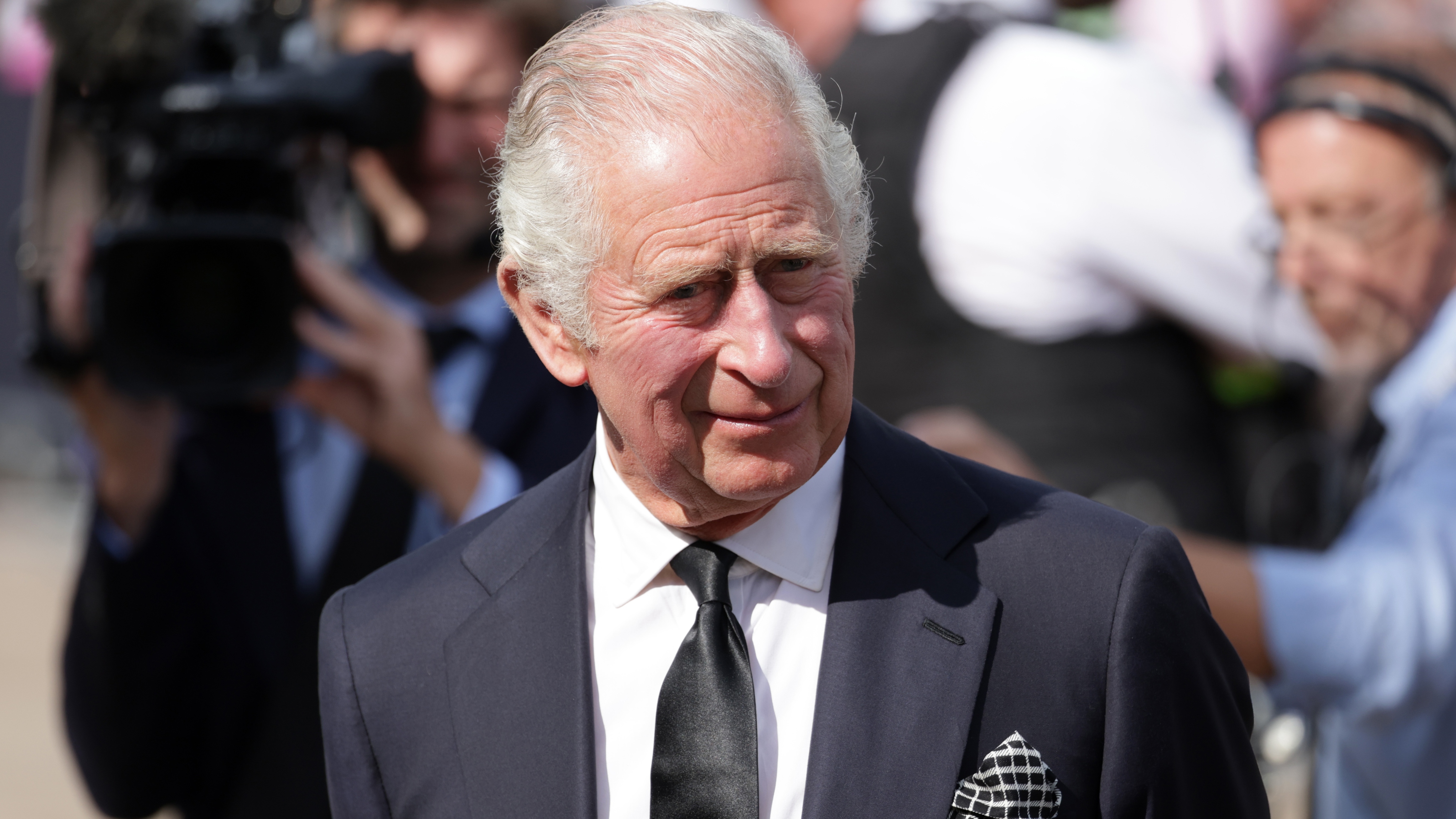
According to accounts drawn from royal biographies and Harry’s own memoir, King Charles personally called both Prince William and Prince Harry, urging them to travel to Scotland as quickly as possible. The urgency of the moment was clear. The Queen’s condition had deteriorated rapidly, and the family was being summoned not as public figures, but as children and grandchildren preparing for a final goodbye. Yet what followed reportedly complicated an already heartbreaking situation.
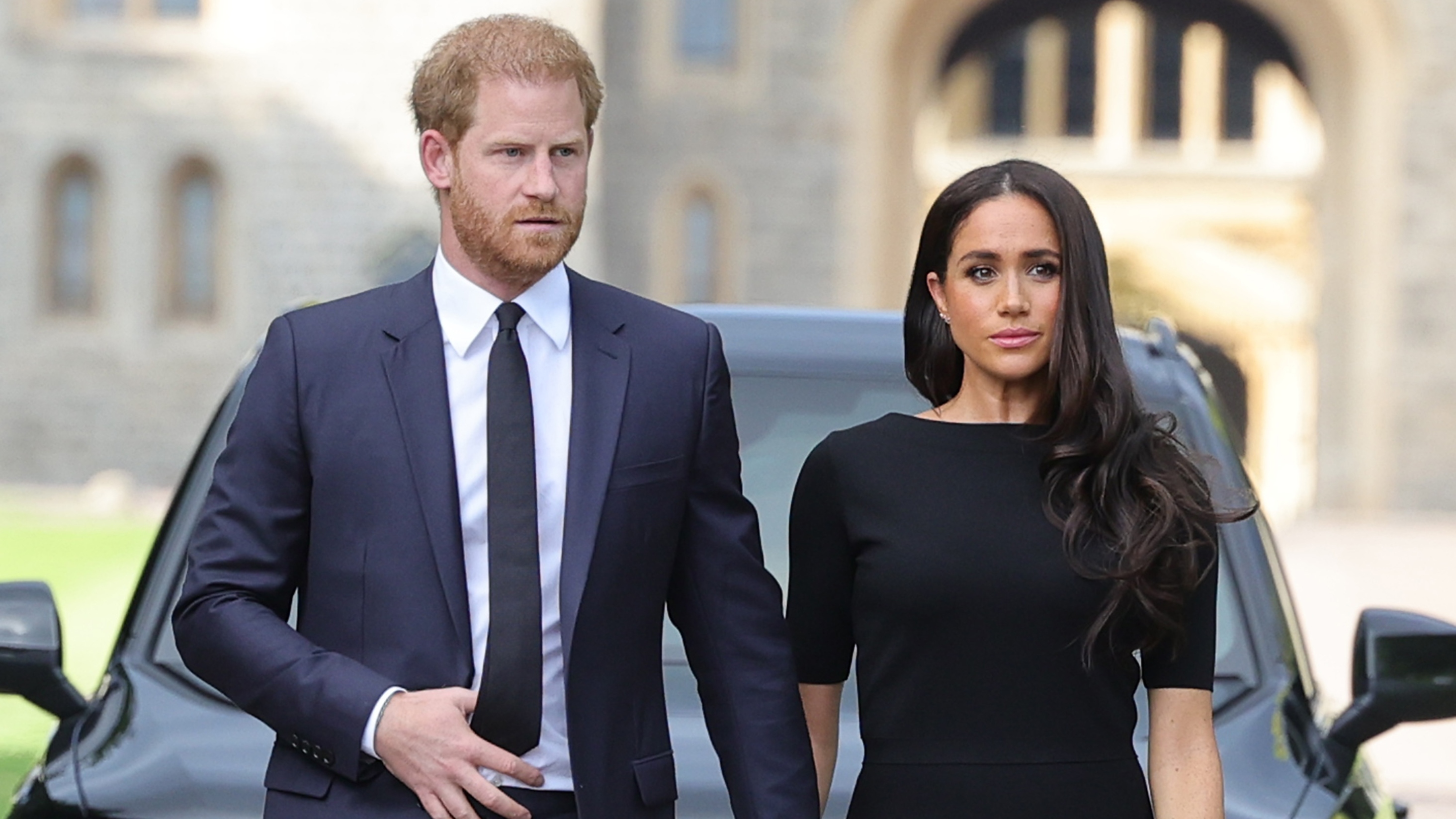
It has been widely reported that Prince Harry raised the question of whether Meghan Markle could accompany him to Balmoral. For many observers, this might seem like a natural request—one spouse supporting another during a moment of grief. However, according to royal author Tom Bower, King Charles reacted strongly against the idea. He allegedly made it clear that Meghan’s presence would not be appropriate under the circumstances, a decision that reflected deeper tensions within the family at the time.
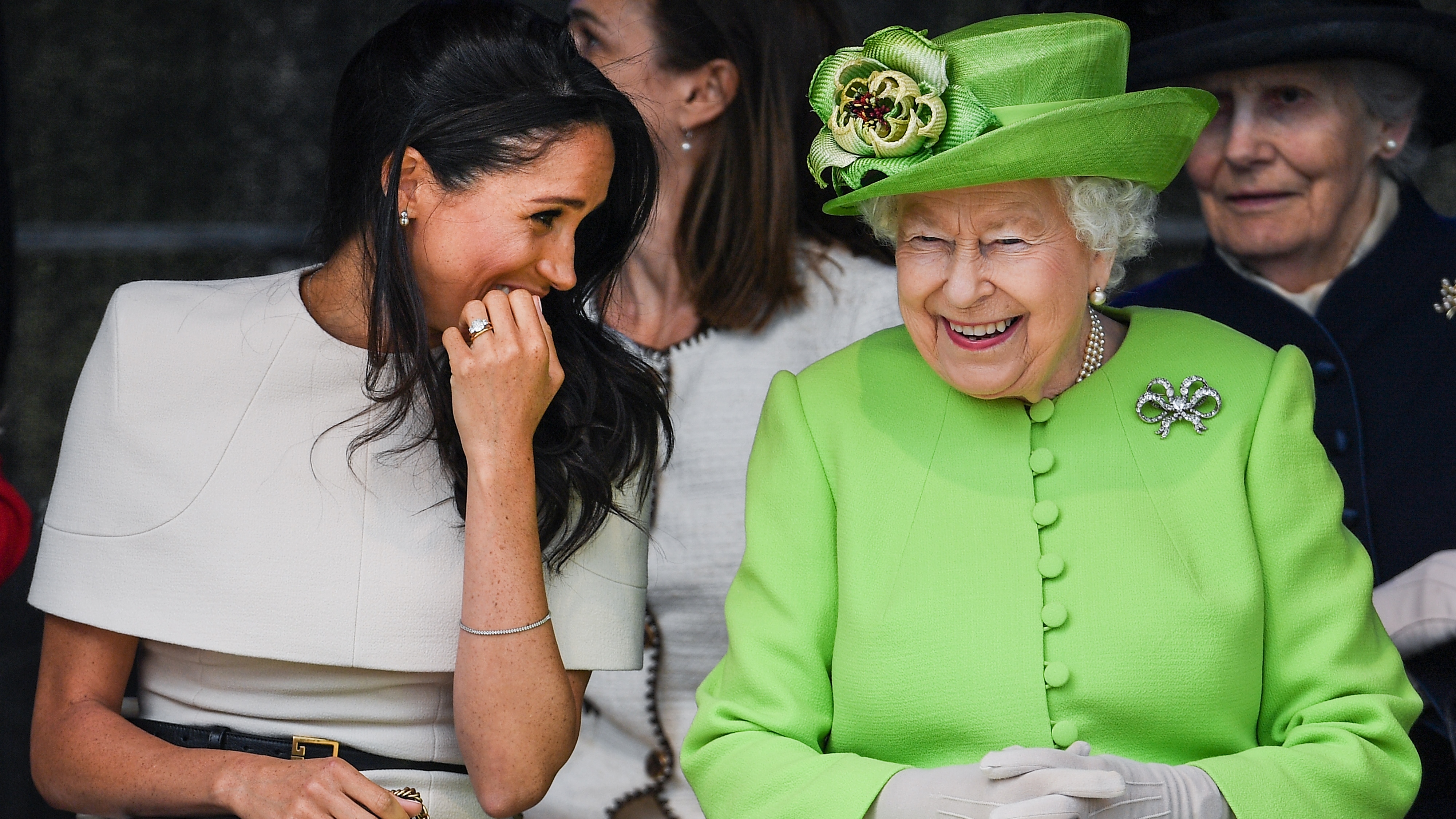
Bower suggests that Charles’s reaction was influenced not only by protocol but also by lingering feelings of disappointment. In the months leading up to the Queen’s death, the Royal Family had faced intense public scrutiny following Harry and Meghan’s departure from royal duties and their subsequent interviews. For Charles, the idea of sharing such an intimate and private moment with someone he believed had contributed to that strain was, as one commentator described it, “emotionally difficult, if not unthinkable.”
Prince Harry, however, has offered a different perspective. In his memoir Spare, he recalls the phone call with his father and describes the reasoning he was given as confusing and even disrespectful. He also noted that Meghan would not have been the only royal spouse absent, as the Princess of Wales, Catherine, also remained in Windsor. In her case, it was reportedly to stay with her children on their first day at a new school and to prepare them for the news of their great-grandmother’s passing.
This contrast highlights the complexity of the situation. While the Palace may have viewed the decision as consistent and practical, Harry appears to have experienced it as a personal rejection—one that deepened an already existing sense of distance from his family. A royal commentator later remarked that “in moments of grief, small decisions can carry enormous emotional weight,” suggesting that the disagreement may have had lasting consequences beyond the immediate situation.
The Sussexes’ spokesperson has strongly rejected the claims made in Bower’s biography, dismissing them as exaggerated and misleading. This response reflects a broader pattern in which narratives surrounding Harry and Meghan often become contested, with differing accounts emerging from various sources. For readers and observers, separating fact from interpretation remains a challenge.
Looking back, the incident has taken on new significance as discussions about reconciliation between Harry and King Charles continue. Some believe that this moment marked a turning point, pushing the father-son relationship closer to its breaking point. Others argue that it was simply one of many difficult interactions during a period of intense change and pressure for the Royal Family.
Public reaction to these revelations has been mixed. Some sympathize with King Charles, viewing his decision as an attempt to maintain focus and dignity during a deeply private moment. Others feel that excluding Meghan, regardless of the circumstances, may have been unnecessarily divisive. As one observer noted, “grief can either bring families together or expose the cracks that were already there.”
In the years since, both sides have shown occasional signs of wanting to move forward, but the path to reconciliation remains uncertain. The emotional weight of past events, including that final day at Balmoral, continues to shape how each side views the other. Whether those memories will ultimately hinder or motivate a reunion is a question that remains unanswered.
What is clear, however, is that the story is not just about a single phone call. It is about how moments of crisis reveal underlying tensions, and how those tensions can echo long after the moment itself has passed. For Prince Harry and King Charles, the events of that day have become part of a larger narrative—one that continues to unfold under the watchful eye of the world.