Prince Harry once appeared to be the most relaxed and naturally charismatic member of the modern Royal Family. Long before the interviews, lawsuits, documentaries, and public feuds, he was widely seen as the approachable prince — the royal who laughed easily, connected naturally with crowds, and seemed genuinely comfortable in his own skin. But according to several royal commentators, that version of Harry has slowly disappeared over the past few years, replaced by someone who now appears emotionally exhausted, angry, and deeply unsettled.
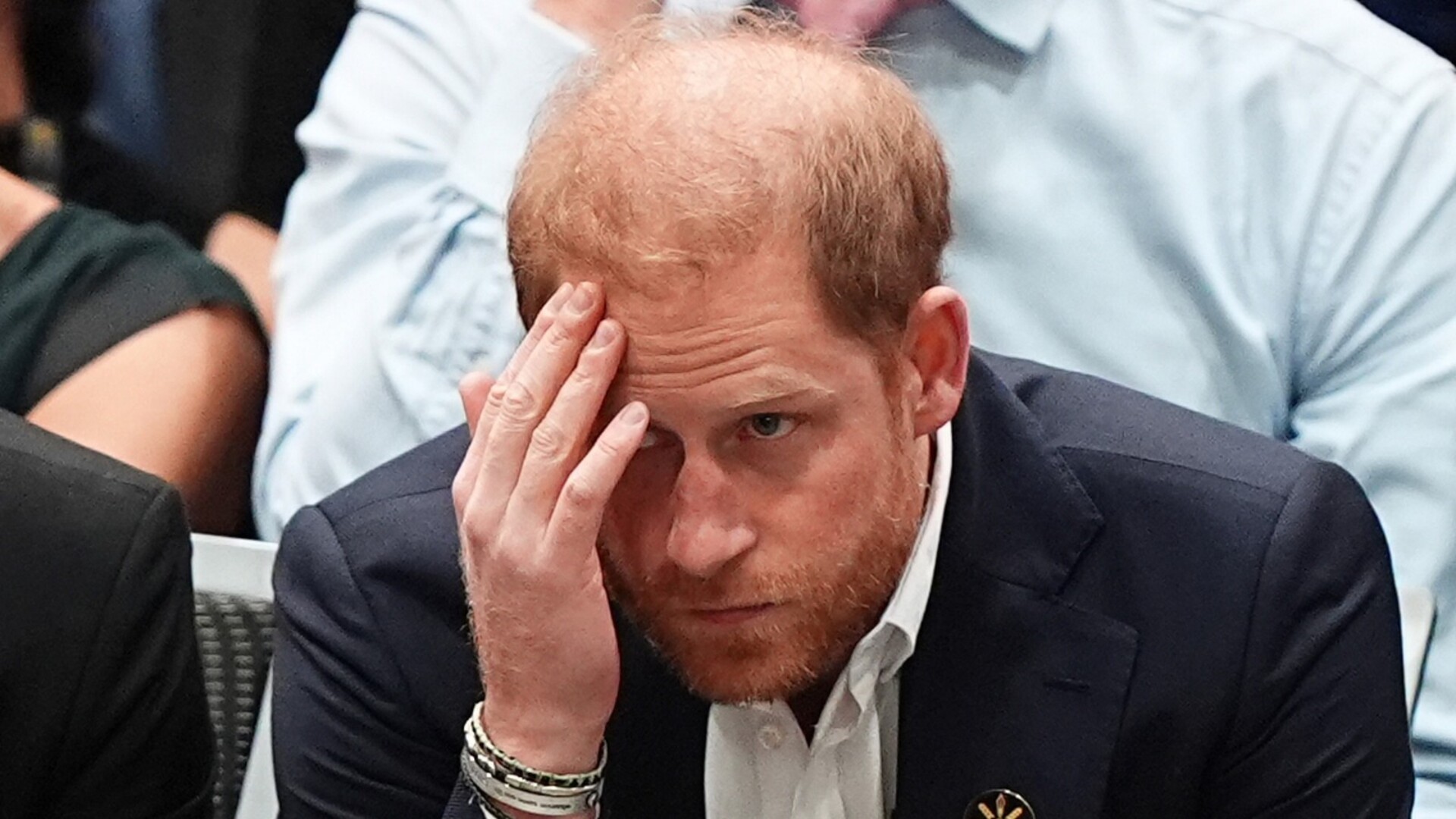
Royal biographer Hugo Vickers recently reignited debate around Harry’s emotional state after claiming the Duke of Sussex now looks “very sad most of the time.” Speaking about Harry’s public appearances since leaving Britain in 2020, Vickers suggested that while the prince may still smile during official moments, unguarded photographs often reveal a very different expression. In his view, Harry increasingly resembles another controversial royal figure from the past: King Edward VIII, later known as the Duke of Windsor.
The comparison is dramatic, but not accidental.
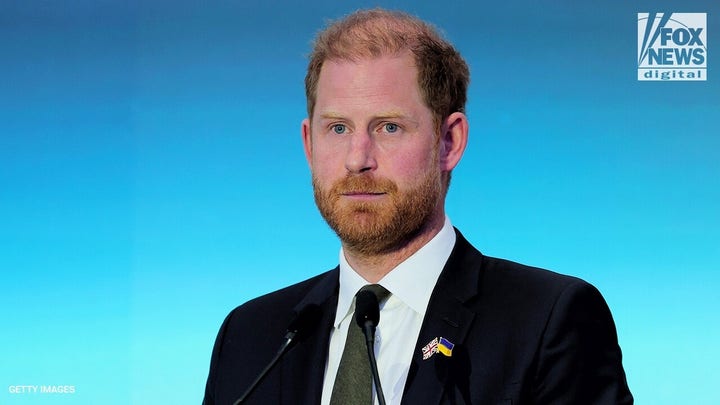
Edward VIII famously abandoned the throne in 1936 in order to marry Wallis Simpson, an American divorcée whose relationship with the king triggered one of the greatest constitutional crises in British royal history. Though Edward spent the rest of his life insisting he made the right choice, many historians later described him as emotionally isolated and visibly unhappy during his years in exile. According to Vickers, there is something hauntingly familiar in Harry’s current appearance.
“If you look at photographs of the Duke of Windsor later in life, the sadness in his eyes is unforgettable,” Vickers explained in a recent interview. “And I see something very similar in Harry now.”
That observation has struck a nerve with royal watchers because it touches on a growing public perception that Harry may no longer look truly at peace with the life he chose after stepping away from royal duties. While he and Meghan Markle continue attending glamorous events in California and presenting themselves as independent global figures, critics argue Harry often appears tense and emotionally drained in candid moments.
Several recent photographs circulated online after Harry attended charity conferences and public events in the United States. In official images, he smiled politely beside Meghan or while greeting audiences. But unposed images taken seconds later seemed to tell a different story. Social media users repeatedly commented on his expression, with some describing him as “lost,” “frustrated,” or emotionally disconnected.
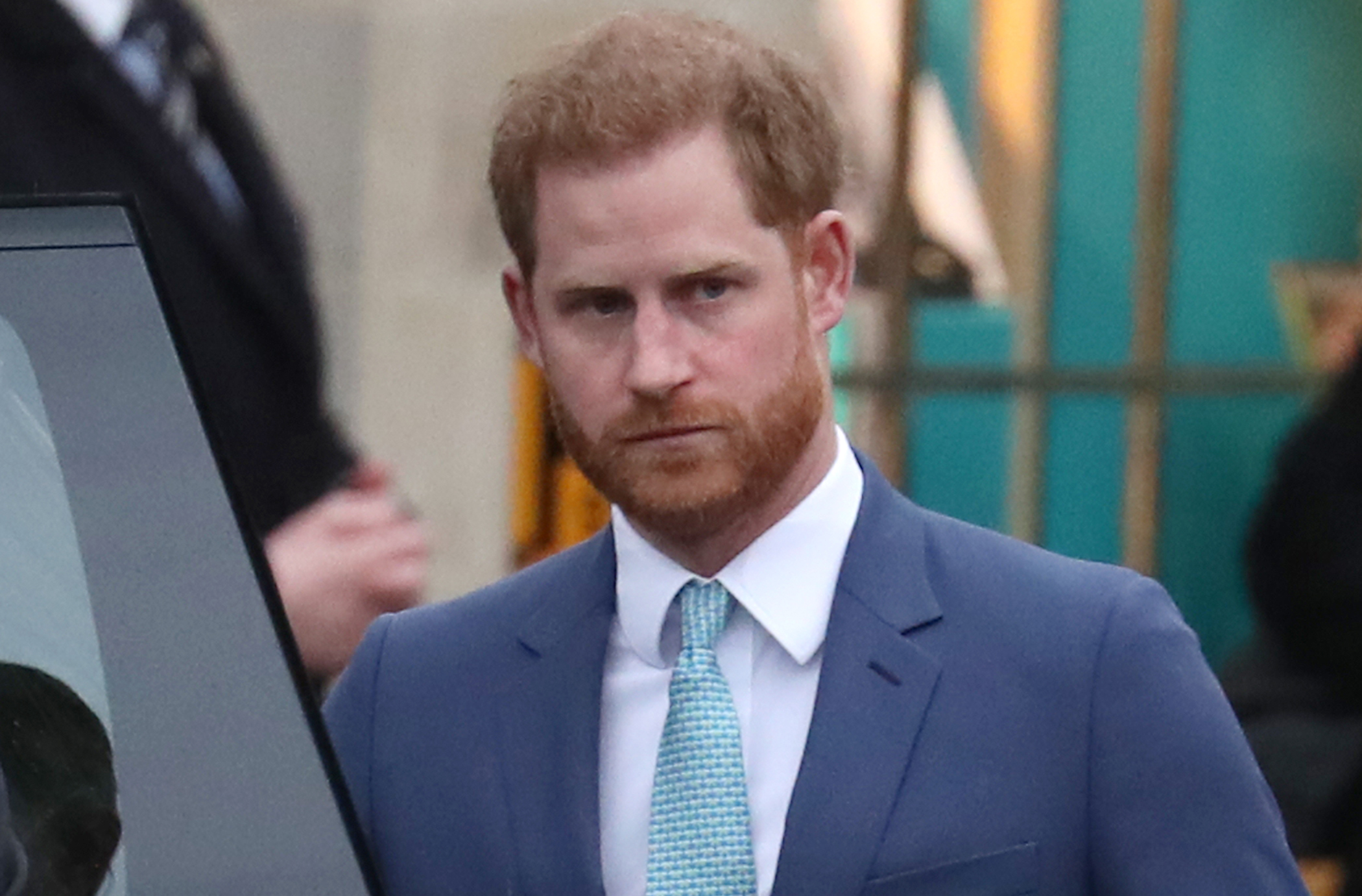
Royal editor Duncan Larcombe echoed many of those concerns, arguing that Harry appears more emotionally burdened now than at any previous point in his public life. According to Larcombe, Harry’s personality has always been deeply emotional and unusually transparent compared to other senior royals. Unlike Prince William, who tends to remain controlled and guarded in public, Harry has often worn his emotions openly.
That emotional openness may partly explain why his struggles now appear so visible.
For years, Harry himself has spoken publicly about trauma, grief, and unresolved emotional pain linked to the death of Princess Diana. He has repeatedly described feeling trapped inside the royal institution and emotionally unsupported by the system around him. Supporters of the Duke argue that his decision to leave Britain was necessary for his mental health and his family’s future.
Yet critics increasingly question whether Harry truly found the peace he hoped for after moving to California.
One of the most controversial claims made by Vickers involves Harry’s relationship with Meghan Markle herself. The biographer suggested Harry may be terrified of losing Meghan emotionally, creating a dynamic where he feels increasingly dependent on the relationship. Vickers stopped short of directly blaming Meghan for Harry’s unhappiness, but his comments fueled ongoing speculation that Harry’s identity has become heavily tied to the choices they made together after leaving the monarchy.
At the same time, many observers argue Meghan has adapted far more successfully to post-royal life than Harry has. Unlike Edward VIII’s wife Wallis Simpson — who often stayed relatively private — Meghan has continued building brands, launching media projects, and using her public identity aggressively within celebrity culture. To critics, Meghan appears ambitious and forward-moving, while Harry often seems emotionally stuck between two worlds.
Still, not everyone accepts the darker interpretation of Harry’s behavior. Some supporters believe the constant public scrutiny itself may be the real reason he appears tense or guarded. Living under endless media attention, online criticism, family estrangement, and legal battles over security would place enormous emotional pressure on anyone. One commenter defending Harry online wrote, “People say he looks sad, but maybe he’s just exhausted from being judged every second of his life.”
That may ultimately be the tragedy surrounding Harry’s public image today. No matter how often he speaks about freedom, healing, or building a new life, the conversation always seems to return to what he left behind. Britain. The monarchy. His family. His old identity.
And perhaps that is why the comparison to Edward VIII continues haunting royal discussions. Not because Harry abandoned the throne itself, but because some fear he may eventually experience the same emotional isolation that followed another prince who chose love over royal duty nearly a century ago.
Whether that comparison is fair remains deeply debated. But one thing has become increasingly difficult to ignore: the cheerful prince the public once knew now seems far harder to find. And according to the people who have watched him the longest, the sadness behind Harry’s smile may no longer be possible to hide.