The entry was near the back of the ledger, dated November 19, 1992.
My name was written in Owen’s careful block letters.
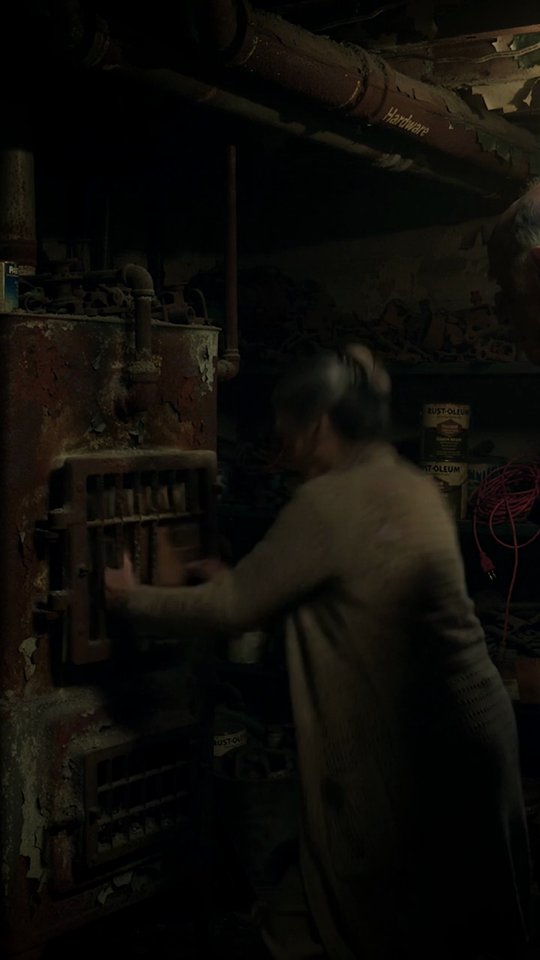
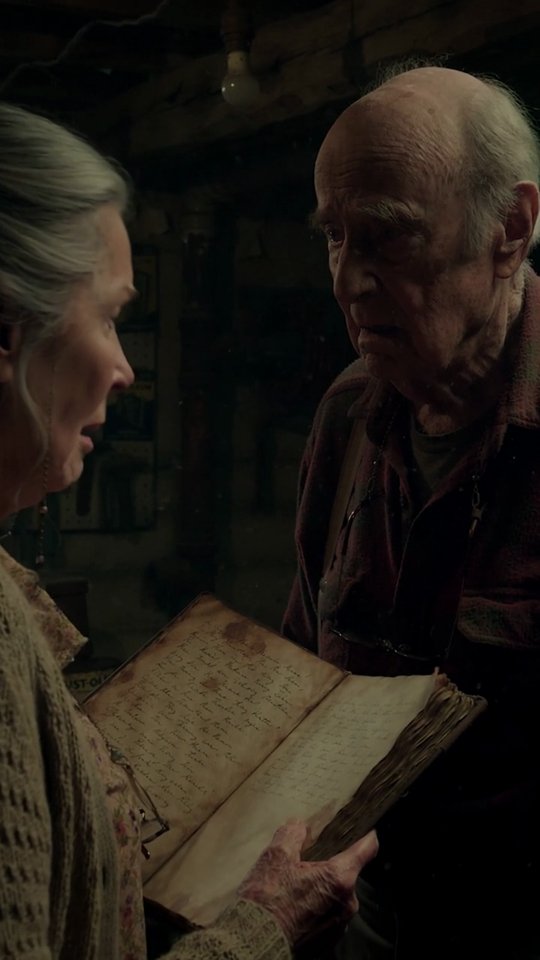
“Sandra Kestner. 11/19/92. $340. Cedar boards and brass hinges. No charge—greenhouse repair after windstorm.”
I stared at the page until the words blurred.
I remembered that windstorm. It had torn through Ketchikan in late autumn, ripping shingles off roofs and snapping power lines.
My little backyard greenhouse—the one my late husband built before he died—had taken the worst of it. The south wall collapsed. Glass everywhere.
I’d come to work the next morning trying not to cry.
Owen had asked what was wrong. I’d told him.
He said he had some scrap cedar in the back. Said I could take it home, fix the frame myself.
I’d insisted on paying. He’d waved me off. “It’s just scrap, Sandra. I was going to burn it anyway.”
But it wasn’t scrap.
I turned the page. Found another entry.
“Sandra Kestner. 3/8/95. $89. Porcelain sink fixtures. No charge—daughter’s first apartment.”
I closed my eyes.
My daughter Jenna had moved into her first place that spring. Tiny studio above the fish market. The sink was cracked, faucet broken.
Owen had pulled a brand-new fixture set from inventory. Told me it was a return he couldn’t sell.
I’d believed him.
I kept turning pages.
“Sandra Kestner. 7/14/98. $112. Roof sealant and flashing. No charge—ice dam damage.”
“Sandra Kestner. 10/2/01. $67. Kitchen cabinet hinges. No charge—remodel on tight budget.”
“Sandra Kestner. 5/19/04. $143. Porch paint and brushes. No charge—hosting daughter’s wedding reception.”
There were eleven entries in total.
Spanning twenty-three years.
Over eight hundred dollars in materials Owen had given me without ever saying a word.
I sat on my porch until the tea went cold.
Then I drove back to the store.
Owen was locking up. He looked surprised to see me.
“Forget something?”
I held up the ledger. “You put my name in here.”
He nodded slowly. “I did.”
“Why?”
“Same reason as everyone else.” He pulled his keys from his pocket. “You needed it.”
“I would’ve paid you back, Owen. Every cent.”
“I know.” He smiled. “That’s exactly why I didn’t tell you.”
I felt my chest tighten. “I’ve been balancing your books for forty years. I thought I knew everything about this place.”
“You know the numbers,” he said gently. “But numbers don’t tell you why a man opens a hardware store in a town where half the people can’t afford to fix their own roofs.”
He gestured toward the darkened aisles inside. “This place was never about profit, Sandra. It was about making sure people had what they needed to keep going.”
“Then why sell?” My voice broke. “If it means that much, why let Marlene close it down?”
Owen’s face softened. “Because I’m eighty-one. And because the work isn’t finished.”
He reached into his coat and pulled out a folded envelope.
“This came yesterday. From the buyer.”
I opened it. Read the letter inside.
It was from Jacob Morse.
The same Jacob whose name was first in the ledger. The man who’d received $127 in framing lumber thirty-four years ago.
He was buying the store.
Not to flip it. Not to tear it down.
To keep it running exactly as it was.
“He came to me three weeks ago,” Owen said quietly. “Told me he’d heard Marlene wanted to sell. Said he’d been waiting his whole life to pay back what I gave him.”
“He remembered?”
“They all remember, Sandra. Every single one.” Owen’s eyes were damp. “That’s the thing about giving people what they need. They don’t forget.”
I looked at the letter again. At the bottom, Jacob had written a note in pencil.
“I’m keeping Sandra on as bookkeeper. Same desk. Same salary. But I’m also making her a partner. She deserves to know what the books really mean.”
I stared at Owen. “You knew about this?”
“I suggested it.” He smiled. “You’ve been keeping my secrets for forty years. Figured it was time you got to keep a few of your own.”
The sale went through six weeks later.
Jacob took over in March. Kept everything the same. Even the chipped porcelain mug on my desk.
But he added one thing.
A second ledger. Leather-bound, just like Owen’s.
He handed it to me on my first day as partner.
“Your turn,” he said.
I’ve been filling it ever since.
Small things, mostly. A can of paint for a single mother fixing her kid’s bedroom. Sandpaper for an old fisherman building his grandson a toy boat. Hinges for a veteran repairing his porch after a bad winter.
I write it all down. Same format Owen used.
Name. Date. Amount. Item. Notes.
And at the end of every entry, the same two words.
“No charge.”
Because Owen was right.
You don’t keep score.
You just give people what they need when they need it.
And thirty years later, when they’re strong enough, they give it back in ways you never expected.
Last week I found a note tucked under my windshield wiper.
It was from Lillian Cho. The woman whose $83 plywood bill Owen forgave in 1988.
She’d left a check for $500 made out to “Rainier Hardware Discretionary Fund.”
No explanation. Just a note: “For the next person who needs it.”
I deposited it the same day.
And when a young couple came in that afternoon looking for drywall to fix their flooded basement, I pulled out my ledger.
Wrote their names at the top of a new page.
And gave them what they needed.
Because that’s what you do in a place like this.
You keep the lights on.
You balance the books.
And you remember that the most important numbers are the ones you never write down.