I sat at my quilting table until the sun went down, tracing those numbers over and over.
Pauline’s birth certificate said October 14, 1956.
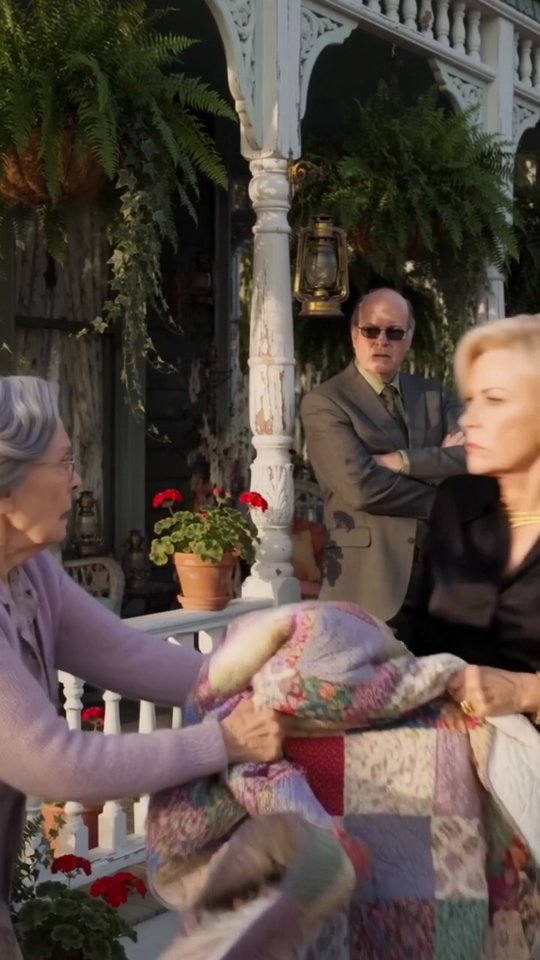
The stitches said January 9, 1957.
Three months later.
I remembered Mother being away that winter. She’d told everyone she was visiting Aunt Dorothy in Oregon.
She came back in late spring with a baby.
Father never questioned it.
Or maybe he had, and that’s why he’d grown so distant those last years before he died.
I pulled out Mother’s sewing box from the closet.
Inside was her diary—small, leather-bound, pages yellowed.
I’d never read it before. It felt like trespassing.
But now I needed to know.
The entries from 1956 were sparse at first. Garden notes. Recipes. Church socials.
Then, in September: “I told Richard I’m going to Dorothy’s. He didn’t ask why. I think he’s relieved.”
October: “The home is cold but the nuns are kind. I feel her moving now. I don’t know what I’ll tell Mildred.”
January 9, 1957: “She arrived at 3:42 this morning. Eight pounds, dark hair. I named her Pauline Rose. I will bring her home and say she came early. Richard won’t check the dates. He never does.”
I closed the diary.
My hands were shaking again.
Pauline wasn’t Father’s daughter.
Mother had gone away, had the baby in secret, falsified the birth certificate, and brought her home as if nothing had happened.
And Father—whether he knew or suspected—had never said a word.
I looked at the quilt again.
Mother had stitched that date into the border in 1964, eight years after Pauline’s birth.
Why?
Then I saw the second detail I’d missed.
Just below the date, hidden in the curve of a rose stem, were two more letters: J.H.
I went back to the diary.
Flipped to 1956, scanning every page.
There—June: “James came by the house today while Richard was at the mill. We talked on the porch. I shouldn’t have let him stay.”
July: “James says he’s leaving for Seattle. I told him it’s for the best. I can’t do this anymore.”
August: “I’m late. I know what this means. God forgive me.”
James Henderson.
I remembered him vaguely—a tall man who’d worked at the lumber mill with Father.
He’d left town suddenly in the summer of ’56.
No one knew why.
Now I did.
Mother had encoded Pauline’s real father’s initials into the quilt, right next to her true birth date.
Then, years later, she’d tried to cut that section out—tried to erase the evidence.
But the stitches were too strong.
And I’d restored them perfectly.
The forty-eight-hour deadline Pauline had given me was almost up.
Thursday morning, she called.
“Have you signed the papers, Mildred?”
Her voice was sharp.
I took a breath.
“I need to show you something first. Come to the house.”
“I’m not playing games.”
“It’s about the quilt. It’s about Mother.”
There was a long pause.
“Fine. I’ll be there in an hour.”
She arrived alone this time.
No lawyer boyfriend. No idling Mercedes.
I had the quilt spread on the dining table.
She stood in the doorway, arms crossed.
“What is this, Mildred? Some guilt trip about family heirlooms?”
I pointed to the rose border.
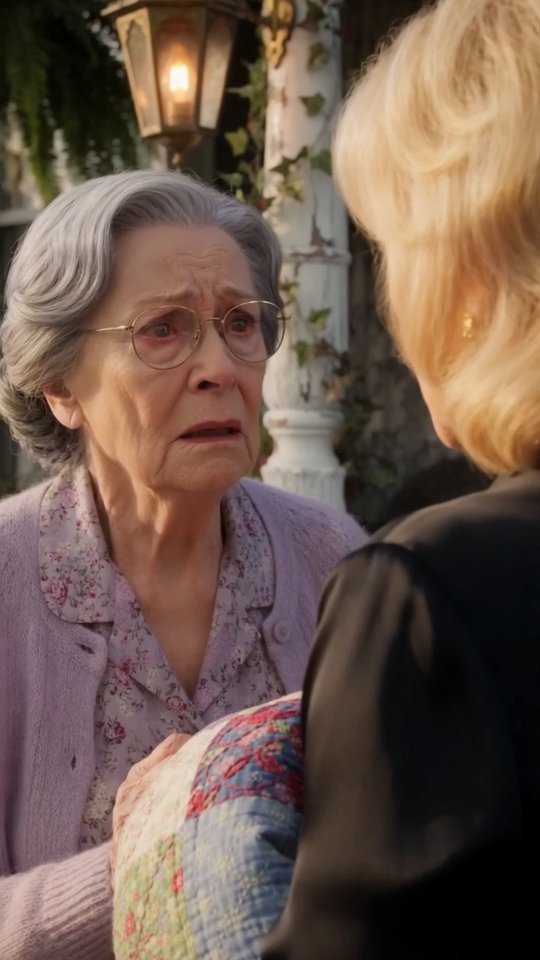
“Look at the stitches. Really look.”
She stepped closer, irritation flickering across her face.
I traced the numbers with my finger.
“January 9, 1957. That’s your real birth date, Pauline.”
Her face went pale.
“What are you talking about?”
I handed her Mother’s diary.
“Read it.”
She sank into a chair, flipping pages.
I watched her expression change—confusion, shock, anger, grief.
When she looked up, her eyes were wet.
“She lied to me my whole life.”
I sat down across from her.
“She was protecting you. And herself. And Father.”
Pauline stared at the quilt.
“J.H. Who is that?”
“James Henderson. He worked with Father at the mill.”
She closed the diary slowly.
Her hands were trembling.
“So I’m not… Father wasn’t…”
“He raised you. He loved you. That’s what mattered to him.”
She wiped her eyes.
“Why did she stitch this into the quilt?”
“I think she needed to tell the truth somewhere. Even if it was just in thread.”
Pauline stood, walked to the window.
Outside, the rose garden Mother had planted decades ago was blooming.
“I’ve been so angry at you,” she said quietly. “I thought you manipulated her. I thought you stole what was mine.”
“Mother left me the money because I stayed. Not because she loved you less.”
Pauline turned.
“I should have stayed. I should have been here.”
“You can’t change that now.”
She looked at the quilt again.
“What are you going to do with this?”
“Keep it. It’s our history. All of it—the truth and the secrets.”
Pauline reached into her purse, pulled out the folded legal papers.
She tore them in half.
“I don’t want the money, Mildred. I never really did. I just wanted to matter.”
I stood, walked over to her.
“You always mattered. To Mother. To me.”
She hugged me then—the first real embrace we’d shared in thirty years.
We stood there on the porch, holding each other, the quilt draped over the railing behind us.
Mother’s stitches had held after all.
Not just the fabric, but the family.
Pauline stayed for dinner that night.
We sat at Mother’s table, eating soup and bread, talking about things we should have said years ago.
Before she left, she touched the quilt one more time.
“Will you teach me?” she asked. “How to mend things like this?”
I smiled.
“Yes. Come back next week. We’ll start with something simple.”
She nodded, squeezed my hand, and walked to her car.
I watched her taillights disappear down the hill.
Then I went inside, sat at my quilting table, and carefully folded the Yoder family quilt.
Every stitch intact.
Every secret held.
Every truth finally seen.