Prince Harry’s latest remarks during his visit to Australia have reignited controversy surrounding his already strained relationship with King Charles. Speaking at a public engagement linked to the Movember men’s health initiative, Harry reflected on fatherhood and stated that he hopes to be “a better parent” than his own father. While framed as a general comment about generational growth, the statement quickly drew criticism for being perceived as a direct and unnecessary attack on the King.
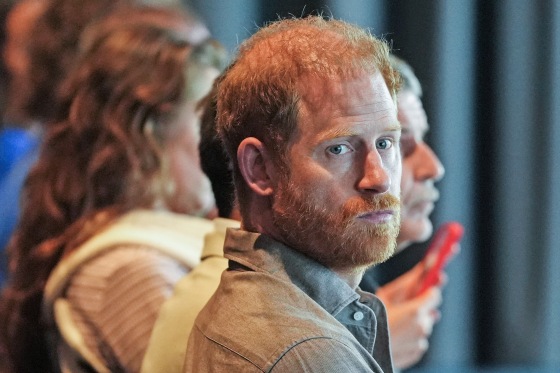
The reaction was swift, especially among commentators who view Harry’s public disclosures about his upbringing as increasingly damaging. Critics argue that such remarks, particularly when delivered on an international stage, further deepen the divide between Harry and the royal family. One media analyst noted that “there is a difference between personal reflection and public criticism—Harry seems to blur that line repeatedly.”

The timing of the comment has also raised eyebrows. Harry and Meghan’s visit to Australia, which some have described as a “quasi-royal tour,” is not an official engagement sanctioned by the monarchy. Despite this, the couple continues to attract significant media attention, and their appearances often carry the tone and visibility of official royal visits. This has led to accusations that they are leveraging their royal status while simultaneously distancing themselves from royal responsibilities.
Beyond the parenting remark, Harry’s broader narrative about his childhood continues to be a focal point. Over the years, he has spoken openly about emotional struggles, trauma following Princess Diana’s death, and what he perceives as shortcomings in his upbringing. Supporters argue that his openness helps normalize conversations around mental health. However, detractors claim that repeatedly revisiting these issues in public forums risks turning deeply personal family matters into a form of public spectacle.
An observer at the Melbourne event commented quietly afterward, “You can empathize with his experiences, but it feels like every speech circles back to the same grievances. At some point, people start questioning the intention.” This sentiment reflects a growing fatigue among certain audiences who feel that Harry’s messaging lacks balance.
The interview segment featuring royal biographer Angela Levin further amplified the criticism. Levin suggested that Harry’s pattern of behavior represents a sustained effort to undermine his father’s image. She emphasized that King Charles faced significant challenges as a single parent after Diana’s death, balancing personal grief with public duty. From this perspective, Harry’s comments are seen not only as unfair but also lacking in context.
There are also concerns about how Harry’s actions may affect public perception of the monarchy. Although he and Meghan stepped back from their official roles, their continued association with royal titles means their statements still resonate globally. Some commentators argue that this creates a complicated dynamic where personal opinions are interpreted as reflections on the institution itself.
At the same time, it is important to recognize that Harry’s perspective resonates with a different audience—one that values transparency and emotional honesty over tradition. For these supporters, his willingness to speak openly about his experiences represents a break from the reserved communication style historically associated with the royal family. As one supporter put it, “He’s not trying to be a perfect royal anymore—he’s trying to be a real person.”
Still, the central controversy remains unresolved. Harry’s attempt to clarify his comments by stating that every generation aims to improve on the last did little to quiet critics, who argue that the initial statement had already caused damage. In the world of public discourse, especially when it involves high-profile figures, first impressions often carry the greatest weight.
Ultimately, the situation highlights a deeper tension between personal narrative and public responsibility. Harry’s story is undeniably shaped by unique circumstances, but the way he chooses to share it continues to spark debate. Whether his approach is seen as courageous or controversial largely depends on perspective.
As the Australian visit continues, one thing is certain: Harry’s words will not go unnoticed. Each statement adds another layer to an already complex relationship with his family—and keeps the global conversation firmly focused on a royal story that shows no signs of fading.